01
LEARN ABOUT BED BUGS
- WHERE?
- Seams, joints and narrow gaps around beds.
- WHEN?
- They may be hiding even when you cannot see them.
- WHAT SHOULD YOU DO?
- Confirm the signs and inspect belongings.
- WHICH SOLUTION?
- An authorised surface application suitable for the target.
WHY DOES IT MATTER FOR HEALTH?
Bed bugs are not known to transmit disease to humans. Bites can cause itching and varying skin reactions; heavy infestations can also affect sleep and wellbeing. Bite appearance alone cannot confirm an infestation. Consult a healthcare professional for severe reactions or signs of infection.
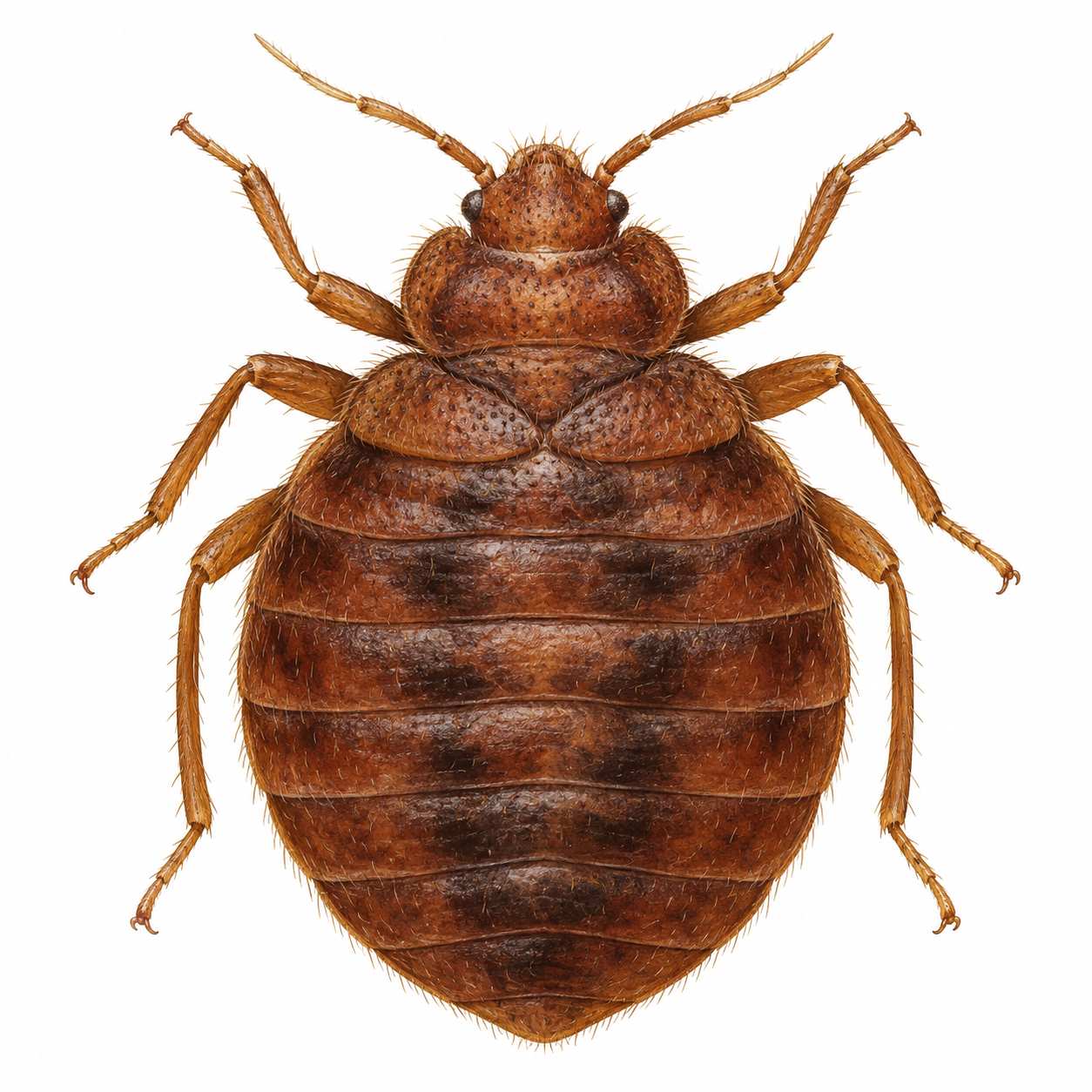
Adults are flat, oval and brownish. Live insects, shed skins or dark marks in mattress seams and furniture joints can help guide an inspection. Bite marks alone cannot confirm bed bugs.
They can hide in narrow gaps in beds, bed bases, headboards and nearby furniture. Larger infestations may spread into other cracks. Not seeing them during the day does not establish their absence; inspect areas around sleeping and resting places carefully.
Can they come home with you after travelling?
They can travel in luggage, clothing or second-hand belongings. Inspect the bed area when staying away, avoid leaving an open suitcase on the bed and check belongings on returning home. Bed bugs also occur in clean homes; they are not simply a problem associated with dirt.
Why can control be difficult?
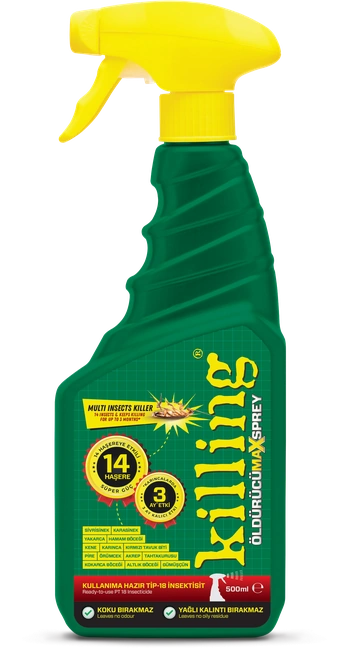
Small hiding places, eggs and spread through belongings can complicate control. Moving items into other rooms may spread the problem. Regular inspections and competent support matter. Do not apply the surface products shown here to sheets, pillows or areas that directly contact the skin.