01
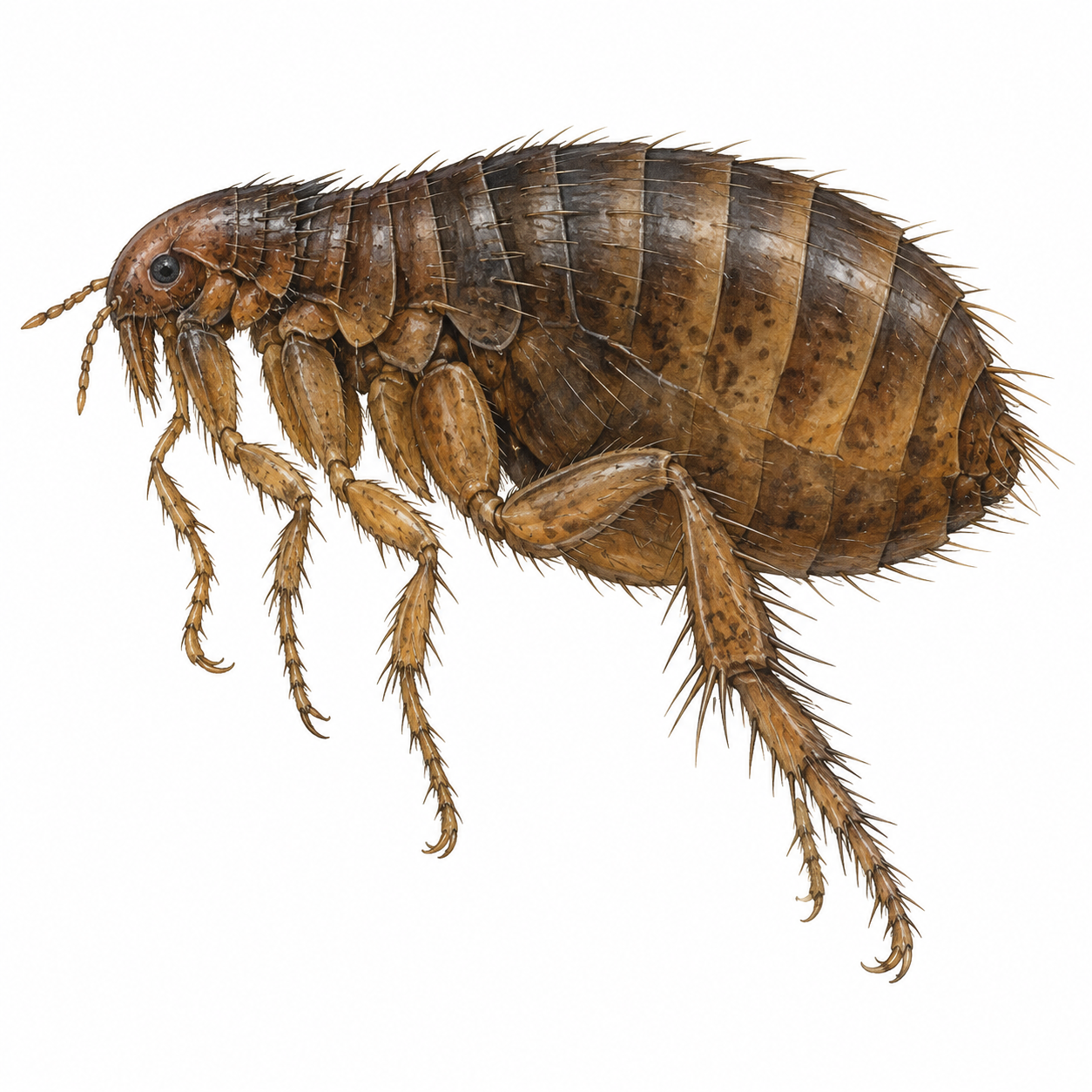
IDENTIFY THE FLEA
- WHERE?
- Areas where animals spend time and nearby surfaces.
- WHEN?
- Can persist throughout the year under suitable conditions.
- WHAT SHOULD YOU DO?
- Clean the environment; consult a vet about the animal.
- WHICH SOLUTION?
- An authorised surface product; animals need a separate suitable solution.
WHY DOES IT MATTER FOR HEALTH?
Some flea species can carry pathogens when infected under particular conditions. Risk depends on the species, animal host and region; not every bite causes disease. Bites may also cause itching and skin reactions. Consult a vet about the animal and use a separate control plan for the home environment.
Fleas are small, wingless insects that can jump. Pets or other animals may bring them indoors. Bite marks alone do not confirm fleas; assess the animal and its surroundings together.
Eggs and immature stages may be present around animals. Include carpets, floor gaps and fabrics where animals rest in the environmental plan. Regular vacuuming and cleaning according to care instructions are more comprehensive than targeting visible adults alone.
Why is one application not always enough?
Flea eggs, larvae, pupae and adults may not be visible together or in the same place. New adults can emerge under suitable conditions, making monitoring important. Do not plan repeat applications independently of the label.
Is treatment on the animal separate?
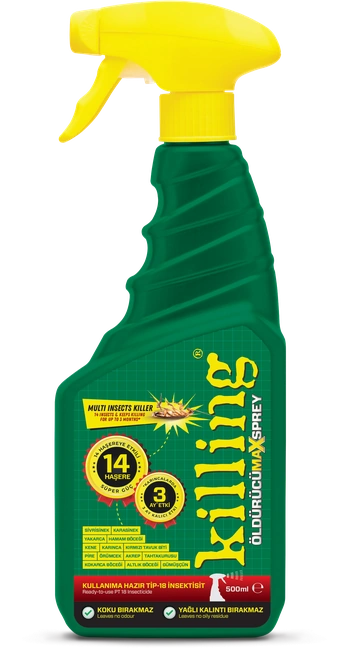
Yes. Consult a vet and use an authorised product suitable for the animal. Netpa surface products shown here must not be applied to animals. Environmental treatment does not replace veterinary care.