WHY DOES IT MATTER FOR HEALTH?
Lesser mealworms matter for poultry health and house hygiene. Risks to birds do not mean the same disease will occur in people. Heavy populations call for farm hygiene measures and veterinary assessment.
LEARN ABOUT PESTS / GUIDES
The lesser mealworm, Alphitobius diaperinus, is a small, dark beetle. Adults and larvae can live in poultry litter and areas with feed and organic debris. Cleaning and managing moisture and hiding places are important for control.
Last updated: 7 October 2026
SEE SOLUTIONS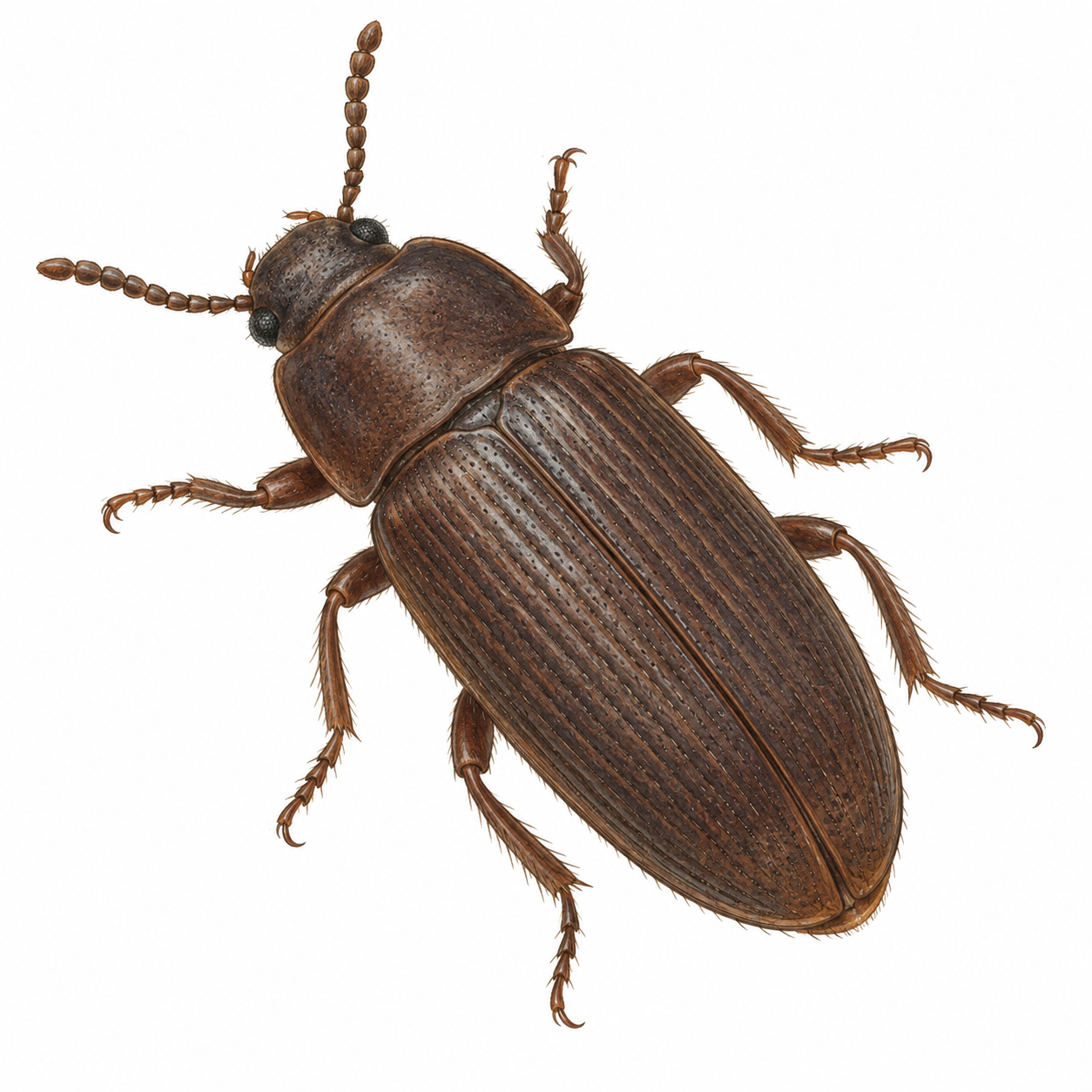
Lesser mealworms matter for poultry health and house hygiene. Risks to birds do not mean the same disease will occur in people. Heavy populations call for farm hygiene measures and veterinary assessment.
Both small, dark adults and elongated larvae may be found in litter. Organic material providing food and moisture can support population growth. Larvae may damage some building and insulation materials.
Feed, organic debris and water leaks create favourable conditions. Product application alone does not remove these sources.
Maintain litter and organic debris regularly; reduce spilled feed.
Repair leaks in drinkers and pipes to reduce unnecessary moisture.
Inspect building joints and insulation; seek expert and veterinary support for heavy problems.
Check that the label specifically lists lesser mealworms. A general reference to pests does not establish suitability for this target.
Do not apply Killing products to chickens or any other animal. Use them only in environments and on surfaces allowed by the label. Read the instructions for protecting animals, feed and drinkers. Consult a vet about bird health.
Compare the target-specific application method and any stated duration. Do not transfer instructions between products or assume unverified durations.
Especially when buying online, check the biocidal authorisation number and date, active ingredient and instructions on the back label.
Choose a lesser mealworm treatment for the target pest and application area.
Pest-control products from our company’s different brands are listed together by solution type to help you compare options for your needs.
Do not apply Killing products to chickens or any other animal. Use them only in environments and on surfaces allowed by the label. Read the instructions for protecting animals, feed and drinkers. Consult a vet about bird health.
Application to authorised surfaces where the target occurs.
Adults and larvae may be found in poultry litter and areas with feed and organic debris.
Food-rich organic debris, spilled feed, moisture and hiding places can support growth.
Buildings and insulation matter alongside poultry hygiene; larvae may damage some insulation materials.
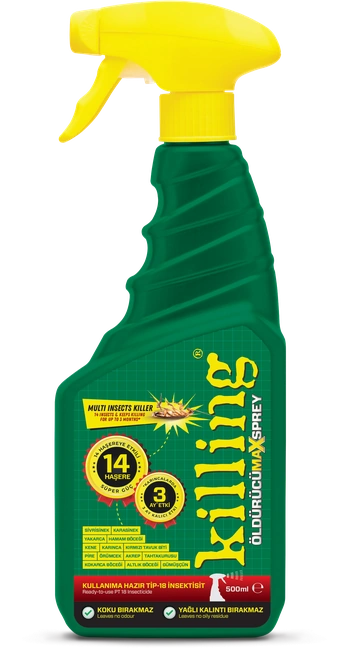
No. Apply Killing Max Sprey to suitable surfaces permitted by its label, not to animals. Read the instructions concerning animals, feed and drinkers.