01
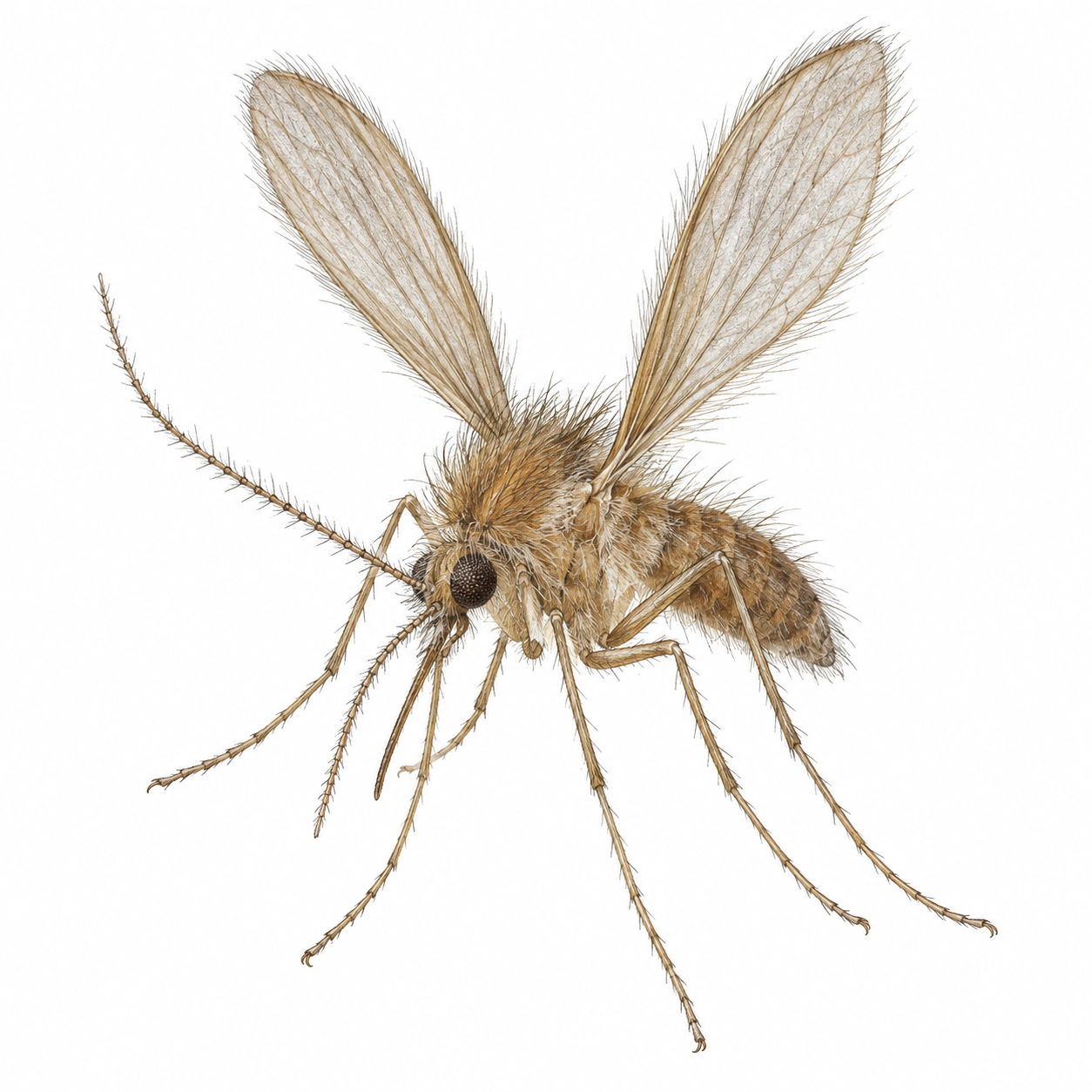
IDENTIFY THE SAND FLY
- WHERE?
- Outdoors and in areas without adequate insect screens.
- WHEN?
- Exposure may increase particularly from evening to dawn.
- WHAT SHOULD YOU DO?
- Cover the skin; use fine-mesh insect screens.
- WHICH SOLUTION?
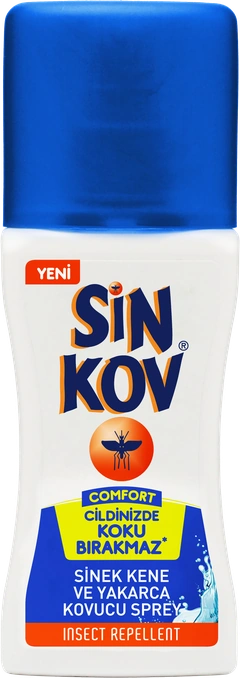
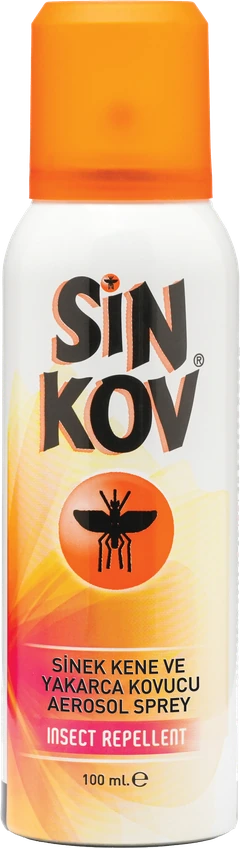
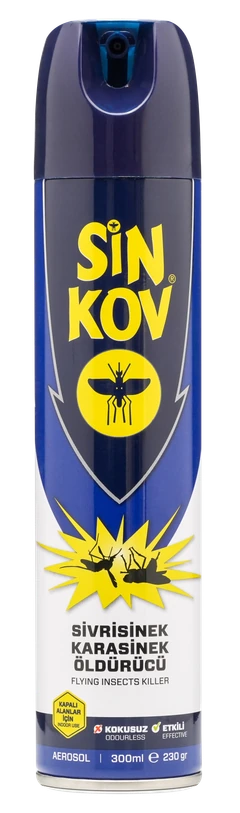
- A skin-applied insect repellent, room insecticide or surface treatment targeting sand flies.
WHY DOES IT MATTER FOR HEALTH?
Some infected sand fly species can carry Leishmania parasites, which cause leishmaniasis. Risk depends on species and region; not every bite causes disease. Seek medical advice for persistent skin lesions or unusual symptoms. These products are not presented as treating or preventing disease.
The Turkish names yakarca and tatarcık refer here to the same target pest: a very small, hairy fly. Not every small flying insect is a sand fly; size or bite marks alone cannot identify the species conclusively.
Sand flies are smaller and hairy, and may hold their wings upright at rest. Unlike mosquitoes, whose immature stages develop in water, sand flies can develop in sheltered, damp areas containing organic matter. This habitat difference matters for control.
When and where are they active?
Many species are more active from evening to dawn. Shady, damp outdoor shelters and cracks around buildings can provide resting places. Fine-mesh screens and clothing that reduces exposed skin are particularly relevant for this small pest.
Why do they bite, and is every repellent suitable?
Females feed on blood; bites may cause itching or individual skin reactions. Suitability against mosquitoes does not automatically mean suitability against sand flies. Look for sand flies and the product-specific protection duration on the label.