LEARN ABOUT PESTS / GUIDES

SPIDER

Spiders can enter through gaps and stay where they find insects to hunt and sheltered hiding places. Not every spider is dangerous. Start by checking entry points, webs and other insects.

Last updated: 7 October 2026

SEE SOLUTIONS
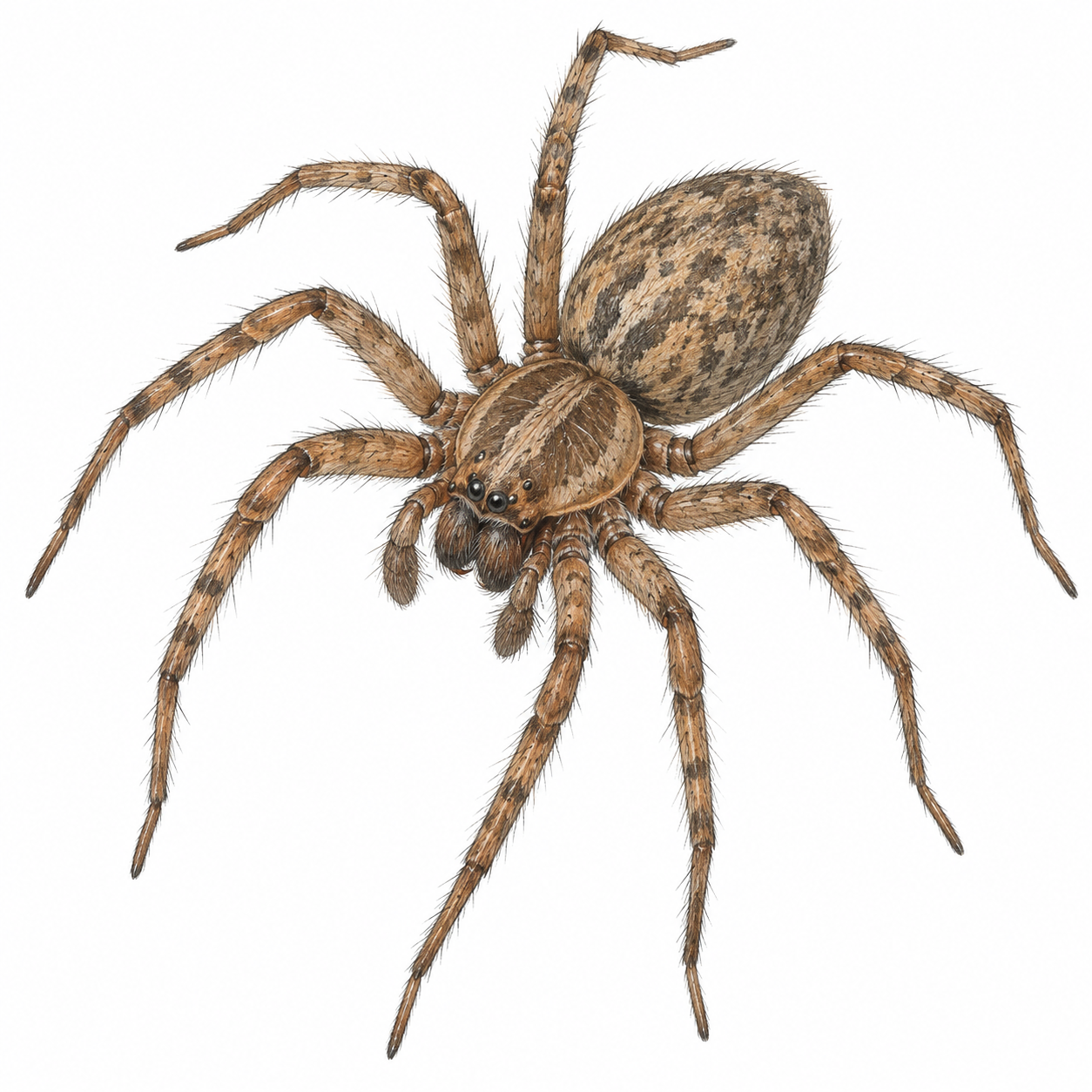
Spider: educational scientific illustration showing natural anatomy
SPIDER
Stylised anatomical illustration
01

IDENTIFY THE SPIDER

How can you recognise it?
Eight legs and two main body sections; no antennae or wings.
Where is it found?
Corners, windows, gaps between objects and sheltered areas.
Behaviour
Some build webs; others roam in search of prey.
Type of solution
Preventing entry and a suitable surface application.

WHY DOES IT MATTER FOR HEALTH?

Most spiders pose no serious medical risk, though bites from some species can be medically significant. Do not handle an unidentified spider with bare hands. Seek medical assessment if a suspected bite causes significant or worsening symptoms; not every skin lesion is a spider bite.

Spiders are not insects: they have eight legs, two main body sections and no antennae. Shape, size and web-building behaviour vary by species.

A spider indoors does not, by itself, mean a dirty home or dangerous infestation. Small creatures to hunt and sheltered spaces can encourage spiders to stay.

Why do spiders build webs?

Web-building species use webs to catch prey and for shelter. Old webs may remain after the spider has left.

Do all spiders build webs?

No. Some hunt while roaming, so the absence of a visible web does not mean there are no spiders.

02

HOW CAN YOU PREVENT PROBLEMS?

  1. 01

    Check gaps under doors and around windows and pipes; repair insect screens.

  2. 02

    Remove webs and debris from corners regularly. Avoid reaching into inaccessible spaces with bare hands.

  3. 03

    Organise storage and clutter to reduce sheltered hiding places.

  4. 04

    Check entry points and food sources for the other insects spiders hunt.

03

HOW DO YOU CHOOSE THE RIGHT PRODUCT?

  1. 01

    Check the target pest

    Check that the label specifically lists spiders. A general reference to pests does not establish suitability for this target.

  2. 02

    Check the application area

    For this target, choose only surfaces permitted by the label. Do not treat people, animals, food or textiles that directly contact the skin as application areas.

  3. 03

    Read the application instructions

    Compare the target-specific application method and any stated duration. Do not transfer instructions between products or assume unverified durations.

  4. 04

    Check the authorisation details

    Especially when buying online, check the biocidal authorisation number and date, active ingredient and instructions on the back label.

04

SUITABLE PRODUCTS

Choose a spider treatment for the target pest and application area.

Pest-control products from our company’s different brands are listed together by solution type to help you compare options for your needs.

01

SURFACE APPLICATION

Application to authorised surfaces where the target occurs.

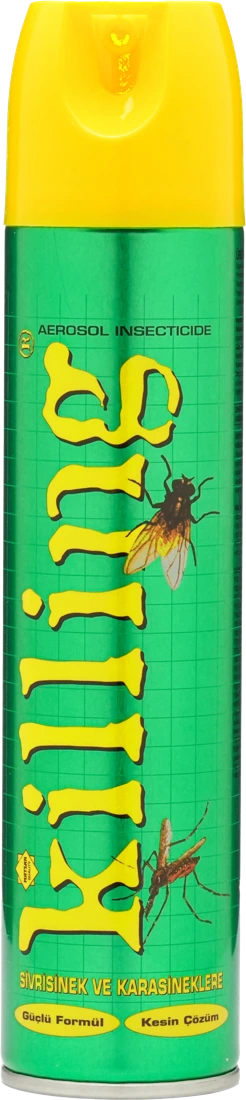
Killing Insecticide Aerosol — original product photograph

Killing

Killing Öldürücü Aerosol

FASTEST CONTROL*

Apply to surfaces permitted by the label.

EXPLORE ON THE KILLING WEBSITE

*Compared with other Netpa Tüketim products.

05

FREQUENTLY ASKED QUESTIONS

What does a spider in my home mean?

There may be entry points, shelter and small insects to hunt. A spider alone does not mean the home is dirty or heavily infested.

Is every spider dangerous?

No. Most pose no serious medical risk, although some bites are significant. Do not handle unfamiliar spiders with bare hands.

Do spiders bite people?

Bites are possible, usually in defensive situations. Seek medical assessment for significant or worsening symptoms.

Is removing webs enough?

Removing webs helps, but also check entry points, hiding places and other insects.

Which products are suitable for spiders?

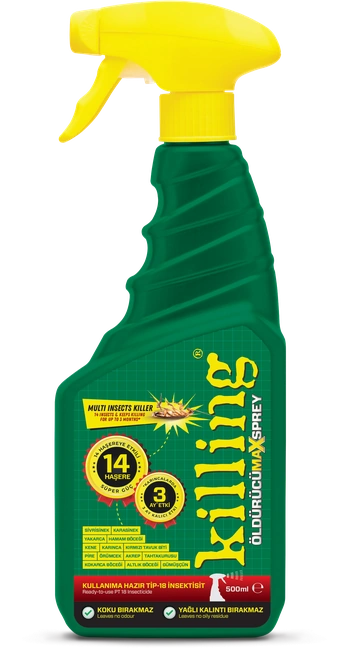
Killing Max Sprey and Killing Öldürücü Aerosol are shown as surface treatments for spiders. Read each product’s target-specific label instructions separately.