01
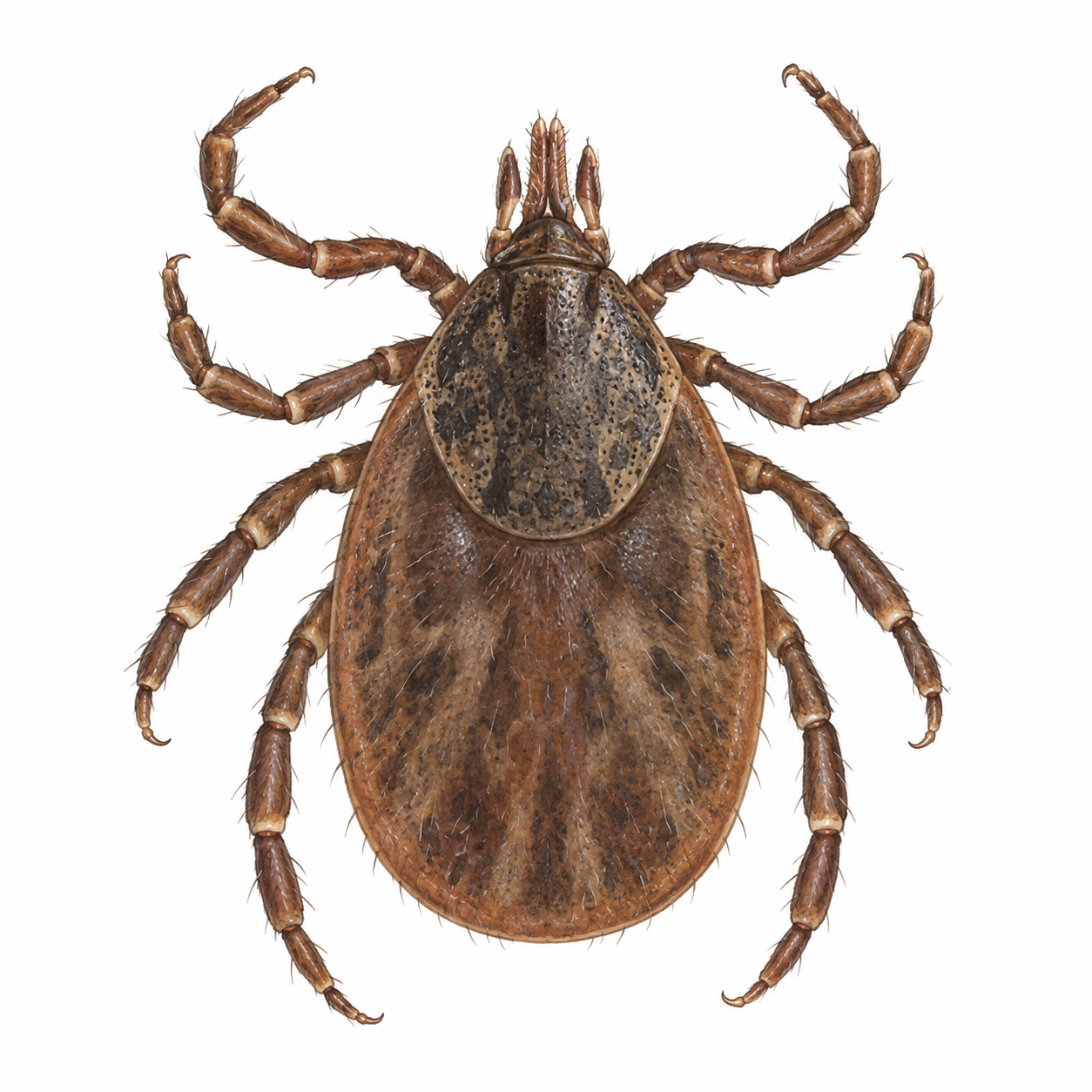
IDENTIFY THE TICK
- WHERE?
- Contact is possible in grassy, scrub and wooded areas.
- WHEN?
- Exposure varies with surroundings and conditions.
- WHAT SHOULD YOU DO?
- Reduce contact; check your body and belongings afterwards.
- WHICH SOLUTION?
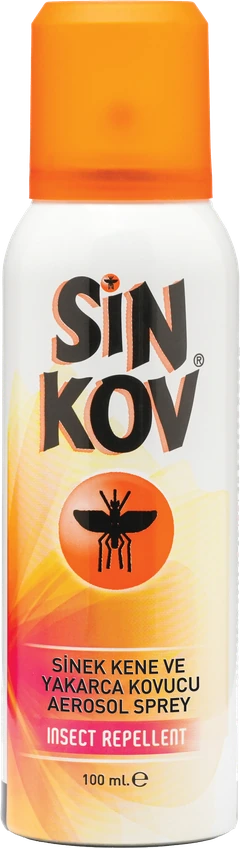
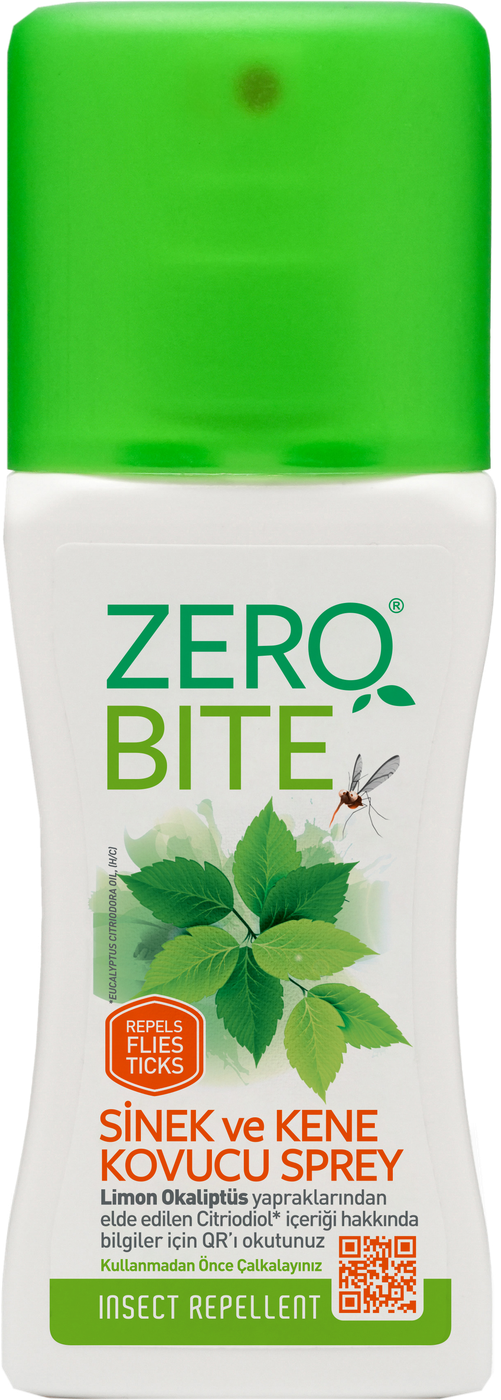
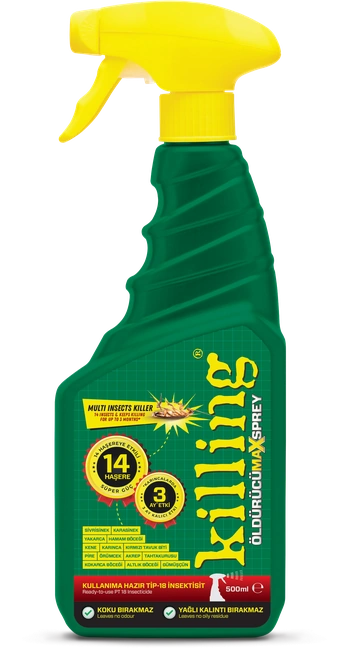
- Skin protection or an treatment around premises or on surfaces in accordance with the label.
WHY DOES IT MATTER FOR HEALTH?
Some infected tick species can carry pathogens, including those causing Crimean-Congo haemorrhagic fever (CCHF), an important tick-borne illness in Türkiye. Not every tick or attachment causes disease. Risk varies with species, region and infection status. Seek medical advice if fever, weakness or unusual symptoms develop after attachment, and mention the tick contact.
Ticks are arachnid arthropods, not insects. They do not fly or jump; they may wait on grass or shrubs and attach by contact to a passing person or animal. Measures targeting airborne pests alone are therefore insufficient.
Grassy, scrub and wooded areas, and places frequented by animals, can be contact points. Exposure varies with surroundings and conditions. Walk in the centre of paths rather than brushing through long grass, wear suitable clothing and check afterwards.
Why should I check my body afterwards?
Ticks can be small and attachment may go unnoticed. After outdoor activity, check your body, clothes, bag and pets. Skin folds and hard-to-see areas are easily missed; an adult should check children.
What should I do if a tick is attached?
Remove the tick promptly using an appropriate method. Do not grasp it with bare hands, pour cologne or chemicals on it or burn it with a cigarette. If you cannot remove it safely, seek medical care as soon as possible. Do not apply the repellents or surface products shown here to an attached tick.